
Why Your Check-In Inventory Is Your Best Deposit Protection
The check-in inventory is the document that decides most deposit disputes. Here's how to use it.
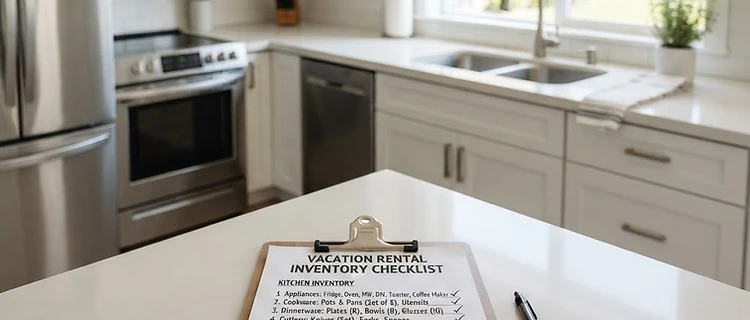
More deposit disputes are won and lost on the check-in inventory than any other document. If you understand it, you're ahead of most tenants.
What it is
A check-in inventory is a dated, detailed record of the property's condition when you moved in — usually with photos of every room, any existing damage, meter readings, and the cleanliness level. It's prepared by the landlord, agent, or an independent inventory clerk.
Why it matters
At checkout, the landlord compares the property's current condition to the inventory. Anything that's changed — new marks, new damage, lower cleanliness — can be charged to you. If it's not in the inventory, you can't be charged for it. That's why an accurate inventory protects you.
What to do at check-in
- Read it carefully before signing
- Check the cleanliness rating — if the property wasn't clean when you moved in, that should be recorded, or you can be charged to leave it cleaner than you found it
- Photograph anything not already in the inventory and send it to the agent in writing
- Note any pre-existing damage, wear or faults
- Keep your copy safe
At checkout
Have the inventory to hand. Walk through with the landlord or clerk and reference it. If something is being flagged that was already there, point to the inventory. Your own dated photos from move-in and move-out are the backup.
A good inventory, used properly, makes deposit disputes straightforward — and a clean, documented handover makes them rare.
Free moving-out checklist
Get our room-by-room checklist sent straight to your inbox.