
Deposit Protection Schemes Explained
How the UK's tenancy deposit schemes work, your rights, and how to challenge an unfair deduction.

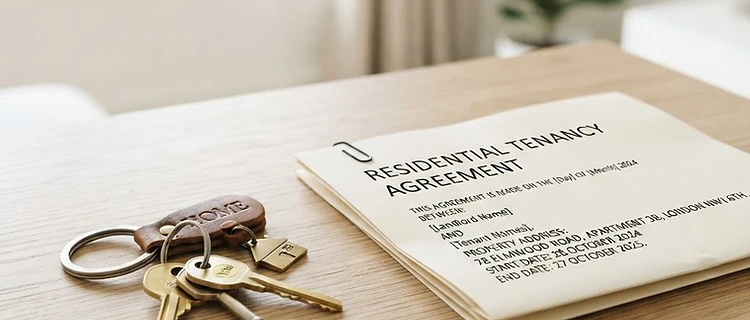
By law, your landlord must protect your deposit in a government-approved scheme. Understanding how they work is the key to getting your money back.
The three schemes
In England and Wales there are three approved schemes: the Deposit Protection Service (DPS), mydeposits, and the Tenancy Deposit Scheme (TDS). Your landlord must place your deposit in one of these within 30 days of receiving it and give you the prescribed information — which scheme, how it's protected, and how to get it back.
Your rights
- Your deposit must be protected within 30 days
- You must receive the prescribed information
- At the end of the tenancy, the deposit must be returned within 10 days of agreement
- If you and the landlord disagree, the scheme's free dispute resolution service decides — not the landlord
How disputes work
If your landlord proposes a deduction you disagree with, you can raise a dispute with the scheme. Both sides submit evidence — the inventory, photos, receipts, correspondence — and an adjudicator decides. The adjudicator can only award what's supported by evidence, so your documentation is everything.
Winning a dispute
The most successful disputes are backed by:
- A detailed check-in inventory
- Dated photos at move-in and move-out
- Evidence the property was left clean (a professional clean with a photo report is strong evidence)
- Written communication about any issues during the tenancy
Cleaning deductions are the most common — and the most avoidable. A professional end-of-tenancy clean with a completion report is often the difference between a full return and a deduction.
Free moving-out checklist
Get our room-by-room checklist sent straight to your inbox.